

Sapporo Snow Festival 2027: dates, best days, and the 3 things nobody tells you
Japan's biggest winter event draws 2M people in 7 days. Here's exactly when to go for the best light + fewest crowds, plus the three side venues that beat the main one.
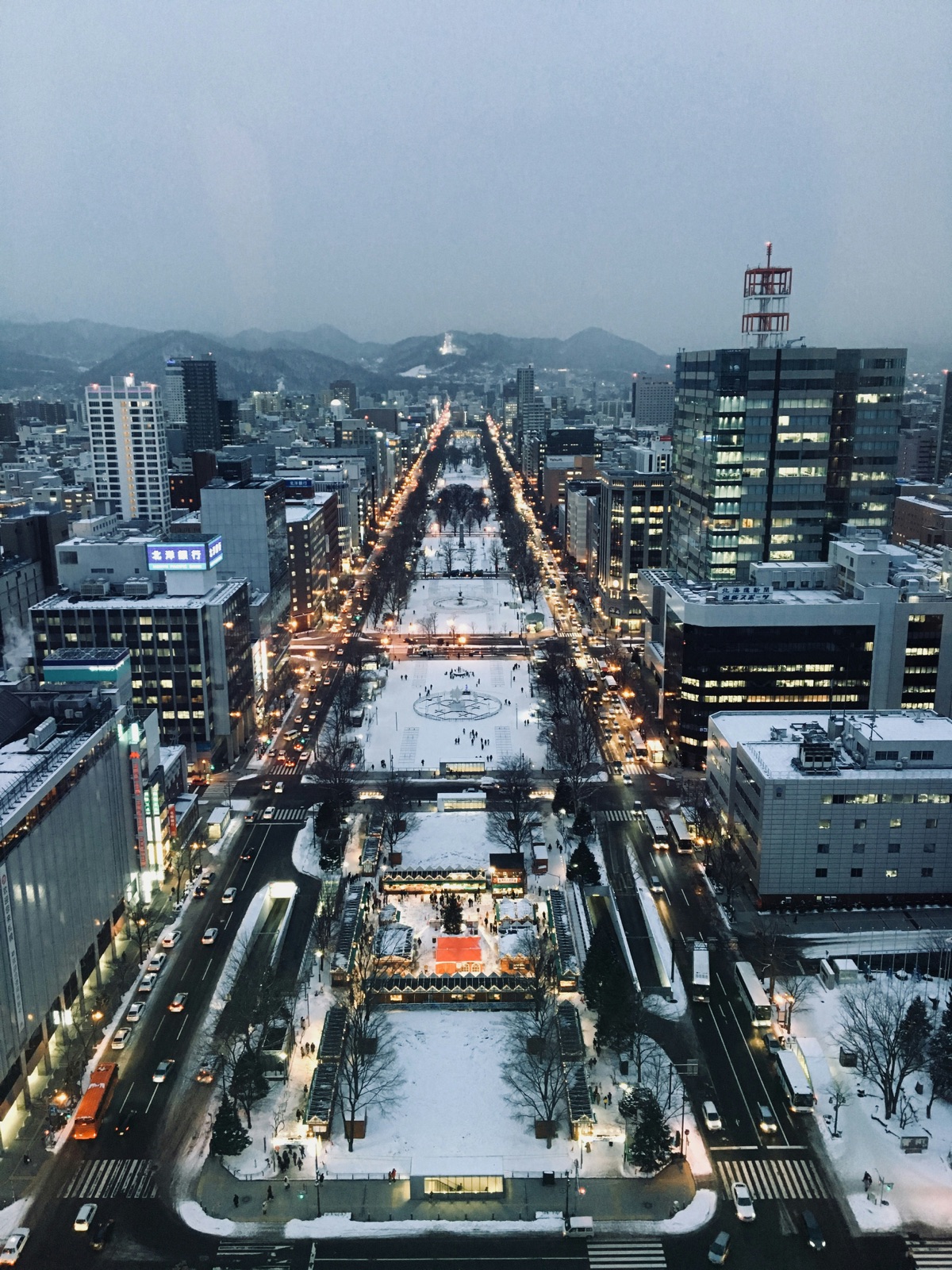
The Sapporo Snow Festival (Yuki-matsuri) is the biggest winter event in Japan and it has been running since 1950. Seven days, 200+ ice and snow sculptures, 2 million visitors. The main venue in Odori Park is spectacular. It's also, during peak hours, basically Shibuya Scramble in a parka.
Here's how to do it right.
Dates for 2027
The festival is always held early February. Based on the 8-year pattern, expect:
- Odori main venue: Feb 4-11, 2027
- Susukino ice venue: Feb 4-11, 2027
- Tsudome family venue: Jan 31 - Feb 11, 2027
Opening ceremony is February 4. Illuminations run 17:00-22:00. The last two days are the most crowded.
Best day to go — Tuesday or Wednesday
The festival spans the first full week of February, including a weekend. Saturday and Sunday attract 400,000-500,000 visitors each — both days. Go on a Tuesday or Wednesday evening instead:
- ~150,000 visitors/day (one-third of weekend volume)
- Sculptures are at their freshest early in the week
- 17:30-19:00 is the magic hour — sunset + illuminations
Three side venues that beat the main one
1. Susukino Ice World (6-minute walk south)
Ice sculptures only, lit from underneath in blue and red. Smaller, more intimate than Odori. Evening crowds are ~30% of Odori's. Free.
2. Tsudome Family Venue (20-minute subway + bus)
The activities venue — snow slides, snow rafting, an igloo you can walk through. Skip if you're travelling without kids, 100% worth it if you are. Covered arenas so it works even in a blizzard.
3. International Snow Sculpture Contest (Odori Section 11)
Most tour groups turn back around Section 6-7. Sections 10-11 at the far west end showcase entries from 10+ countries — Singapore, Poland, Thailand, etc. Far less crowded because most people literally walk out of the park before reaching them.
Three things nobody tells you
- Dress for -6°C minimum. Sapporo gets hit by Siberian air in February. Heattech + a real down jacket + gloves + a hat. A scarf matters more than you think — cold air down the collar ruins the evening.
- Most restaurants close at 22:00. Plan dinner before or right after the illuminations, not “after we see everything.”
- The ¥500 hot sake kiosks are real, and they're a lifesaver. Locals drink these as walking warmers. Cash only.
Where to stay
Hotel prices triple during festival week. Book 90 days out or you'll be commuting from Chitose. Two budget tips:
- Capsule hotels in Susukino are ¥4,500-7,000/night, walking distance to everything.
- Onsen ryokans in Jozankei (60 min south) are half the price of Sapporo downtown and you get a hot-spring bath after a cold night out.
What a guide adds
For a festival like this, a licensed local guide is actually overkill — the experience is mostly visual and well-signposted. Where a guide earns their fee: the day before or day after. Day-trip from Sapporo to Otaru, a 40-minute train ride to a 19th-century port town with canal illuminations that are, if anything, more photogenic than the festival. Or a day at Noboribetsu onsen. Those trips benefit massively from local navigation in winter conditions.
Ready when you are
Plan your trip with a verified local guide
Filter by city, language, and experience. Chat directly. Pay once the guide accepts.
Browse guidesKeep reading
Sakura 2026: peak bloom dates + 3 cities without the crowds
Our pick of peak cherry-blossom windows for the top 8 Japanese cities in 2026, plus three underrated spots where you will actually see the flowers instead of the back of someone's phone.
The JNTO license: why it matters when you hire a Japan tour guide
Japan has a specific legal credential for paid tour guides. Most online platforms don't check it. Here's what it is, why it protects you, and how to verify any guide yourself.
Tokyo's four best neighborhoods nobody tells you to visit
Shibuya and Shinjuku are the Times Square of Tokyo. These four neighborhoods are where Tokyoites actually spend their weekends — and you can walk every one.