
The JNTO license: why it matters when you hire a Japan tour guide
Japan has a specific legal credential for paid tour guides. Most online platforms don't check it. Here's what it is, why it protects you, and how to verify any guide yourself.
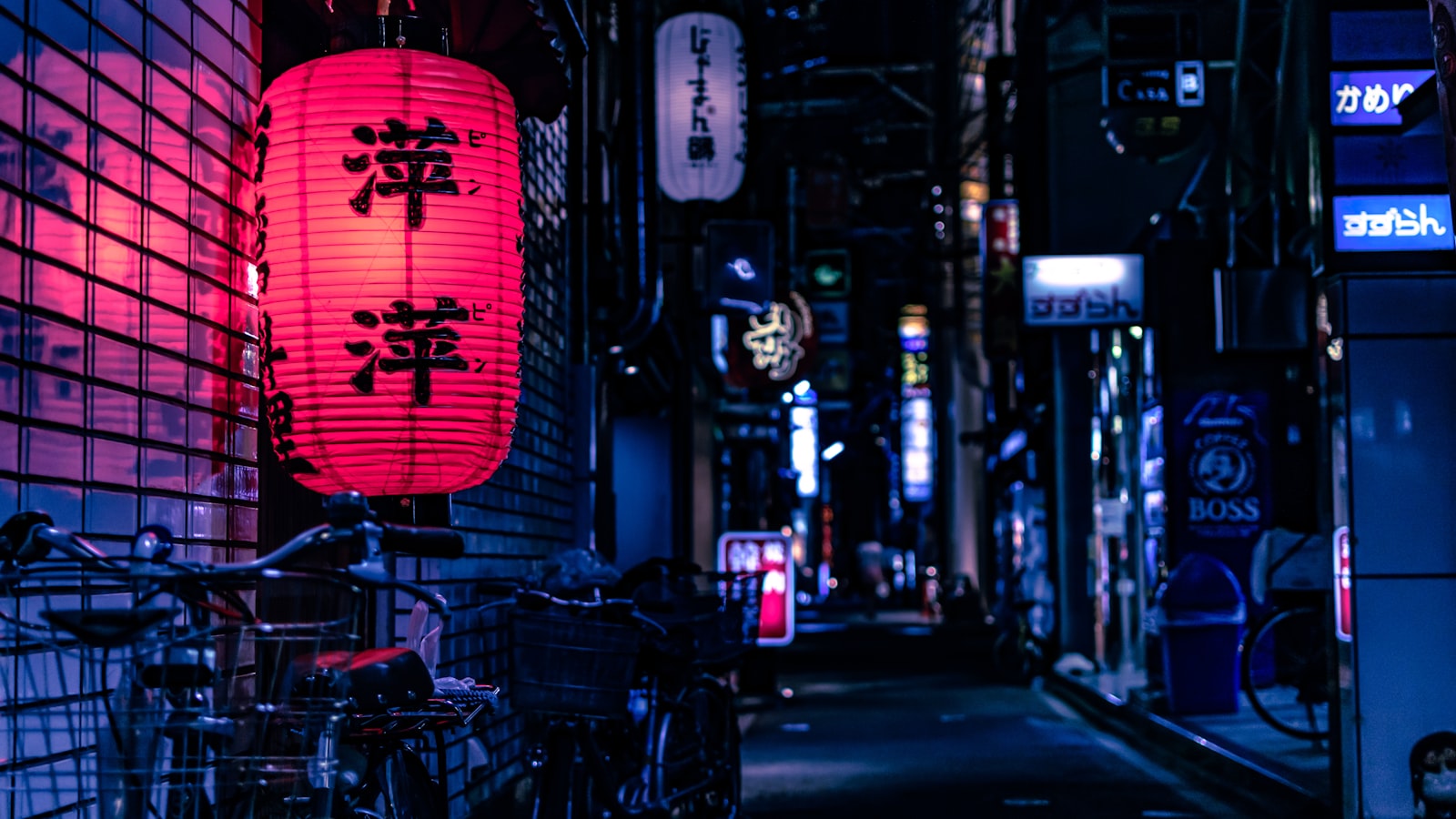
If you search “tour guide Tokyo” on Airbnb Experiences, Viator, or GetYourGuide you'll find hundreds of results. Almost none of them tell you whether the person leading your day is actually legally allowed to guide for pay in Japan.
They are legally allowed to host an experience — Japanese law distinguishes those two things — but a paid guided tour is regulated at the national level. Here's what to know, in one short post.
What is a JNTO-licensed guide?
JNTO is the Japan National Tourism Organization, a government agency under the Japan Tourism Agency (JTA). Since the revision of the Interpreter-Guide Act in 2018, anyone conducting a paid tour in a foreign language in Japan is required to be registered on the JNTO guide registry.
Registration requires passing a national examination in (1) a foreign language, (2) Japanese geography, (3) Japanese history, (4) Japanese culture, and (5) general knowledge of Japanese society. Pass rate varies by language — for English it's around 10% on the first attempt.
Why it matters for you, the traveler
- Accountability. If anything goes wrong on a tour — an injury, a misrepresented itinerary, a dispute — a licensed guide has a public registration number, a home address on file with JNTO, and insurance requirements. An unlicensed operator has none of that.
- Actual competence. The exam isn't window dressing. Licensed guides know when the Meiji Restoration was, why Kyoto has no skyscrapers, which direction the kamidana should face. It's the difference between a tour and a walk.
- Your safety, legally. Japanese insurance law treats unlicensed guiding as an unregulated activity — if your unlicensed “host” is in an accident while they're leading you, liability and medical coverage get complicated fast.
How to verify any guide yourself (2 minutes)
JNTO's official licensed-guide registry is publicly searchable. You can look up any guide's registration number, see their languages, and confirm their status before you pay anyone.
Not every platform shows the number. We do — every guide profile on Your Wished Guide links to the JNTO registry and we verify numbers before a guide goes live. See how it looks on a guide profile.
Aren't licensed guides more expensive?
Sometimes. Typical private-tour rates in Tokyo:
- Unlicensed “experience host” on major platforms: $80-150 / day
- JNTO-licensed guide, independent: $200-350 / day
- JNTO-licensed guide, Viator / GetYourGuide (with 20% markup): $280-450 / day
- JNTO-licensed guide, Your Wished Guide (with 9% fee): $220-380 / day
The price gap with the unlicensed option is real. In our view, for a multi-day trip where you're spending thousands on flights and hotels, the $100-200/day premium for a licensed expert is the easiest spend on the whole trip.
What if I already booked someone unlicensed?
It's fine. Most experience-platform hosts are perfectly competent people running legal experiences (food tours, crafts, walking meetups) that don't require a guide license. The JNTO license is about paid multi-hour touring where you're explaining the country, not about whether someone's allowed to show you how to make ramen in their apartment.
The simple question to ask before booking: “Is this an experience at one location, or are you going to be guiding me around sites and explaining them?” If it's the latter, ask for the JNTO number.
Bottom line
- JNTO license is the legal bar for paid guided tours in Japan.
- Registry is public, 2-minute self-verification.
- Your Wished Guide only lists verified licensed guides.
- Experience-platforms list mostly unlicensed hosts — fine for single-activity experiences, not for multi-day touring.
Ready when you are
Plan your trip with a verified local guide
Filter by city, language, and experience. Chat directly. Pay once the guide accepts.
Browse guidesKeep reading
Sakura 2026: peak bloom dates + 3 cities without the crowds
Our pick of peak cherry-blossom windows for the top 8 Japanese cities in 2026, plus three underrated spots where you will actually see the flowers instead of the back of someone's phone.
Tokyo's four best neighborhoods nobody tells you to visit
Shibuya and Shinjuku are the Times Square of Tokyo. These four neighborhoods are where Tokyoites actually spend their weekends — and you can walk every one.
Sapporo Snow Festival 2027: dates, best days, and the 3 things nobody tells you
Japan's biggest winter event draws 2M people in 7 days. Here's exactly when to go for the best light + fewest crowds, plus the three side venues that beat the main one.