

Sakura 2026: peak bloom dates + 3 cities without the crowds
Our pick of peak cherry-blossom windows for the top 8 Japanese cities in 2026, plus three underrated spots where you will actually see the flowers instead of the back of someone's phone.
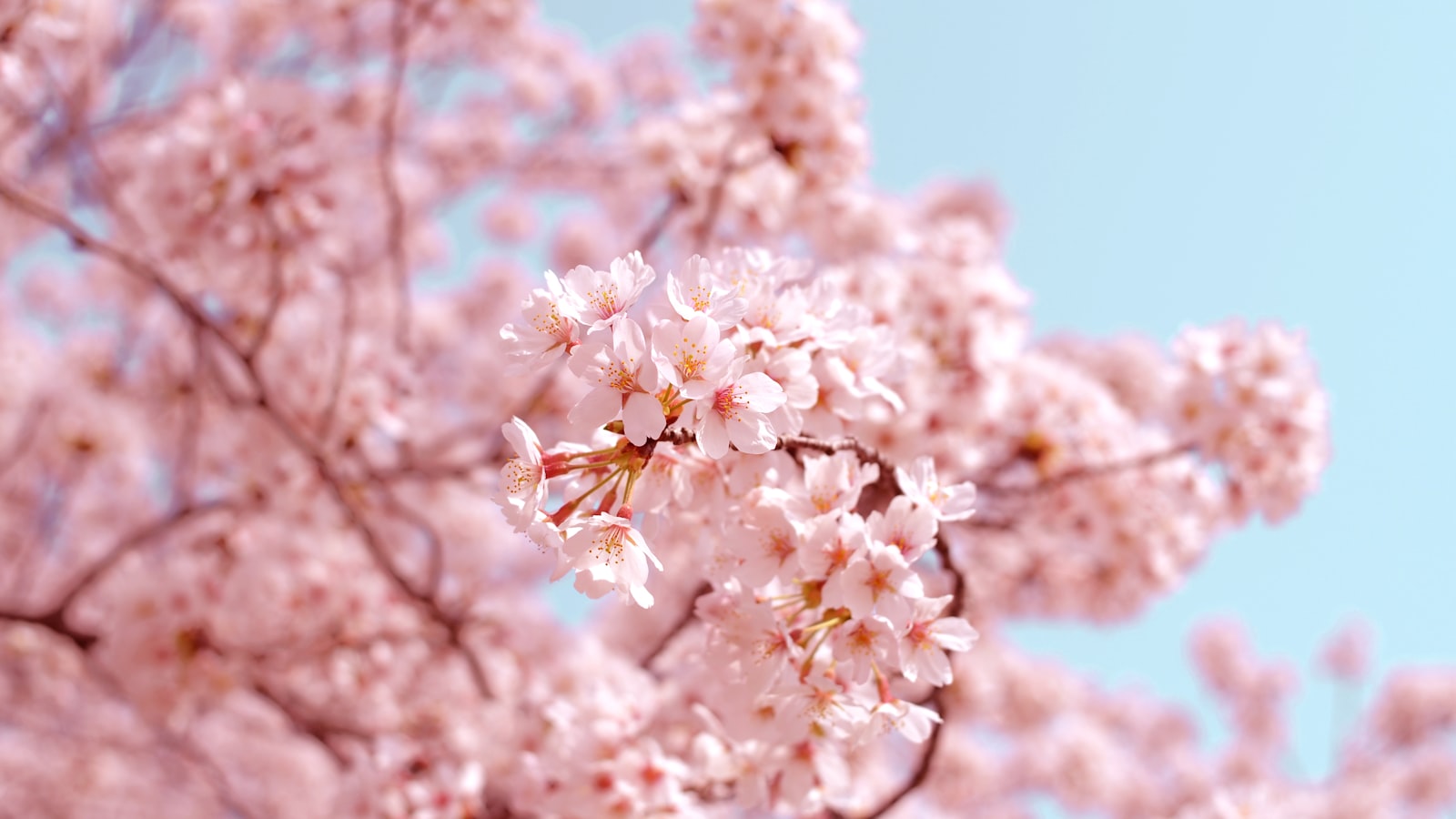
Japan's cherry-blossom (sakura) forecast changes every year — five-day shifts are common, one-week shifts not rare. These are our best-as-of-publish-date 2026 windows, distilled from the Japan Meteorological Corporation (JMC) forecast plus the last eight years of historical peaks.
Full-bloom (mankai) only lasts 5-7 days. We round to the week you want to target.
Peak-bloom windows, top 8 cities
| City | First bloom | Full bloom | Best viewing week |
|---|---|---|---|
| Fukuoka | Mar 20 | Mar 28 | Mar 26 – Apr 1 |
| Hiroshima | Mar 22 | Mar 30 | Mar 28 – Apr 3 |
| Kyoto | Mar 24 | Apr 1 | Mar 30 – Apr 6 |
| Osaka | Mar 25 | Apr 2 | Mar 31 – Apr 7 |
| Nagoya | Mar 25 | Apr 2 | Mar 31 – Apr 7 |
| Tokyo | Mar 23 | Mar 31 | Mar 29 – Apr 5 |
| Sapporo | Apr 28 | May 3 | May 1 – May 7 |
| Hirosaki (Aomori) | Apr 22 | Apr 27 | Apr 25 – May 2 |
3 places to see sakura without the crowds
1. Kairakuen, Mito (March 15 – April 5)
90 minutes north of Tokyo on the Joban Line. Kairakuen is one of Japan's three great gardens (Japan has official rankings for everything) and it's famous for 3,000 plum trees that peak in February. But there's also a quiet hillside of 200+ cherry trees that blooms a week after Tokyo's peak, while almost zero foreign tourists are looking.
Combine with an afternoon at Lake Senba and a craft-beer stop in downtown Mito.
2. Hirosaki Castle, Aomori (April 22 – May 5)
The single most beautiful sakura scene in Japan, and because it's three weeks after Tokyo's peak, 90% of inbound tour groups have already left the country. 2,600 trees around a 17th-century moat. Evening illuminations. Paddle-boats on a petal-covered moat.
Shinkansen to Shin-Aomori (3h20 from Tokyo) + local 40-min train to Hirosaki. Book your ryokan 60 days out or sleep in Aomori city.
3. Fuji Shibazakura Festival, Lake Kawaguchi (Apr 18 – May 26)
Not technically sakura — shibazakura is moss phlox, a low-growing ground cover that carpets 2.4 hectares at the base of Mt. Fuji in pink, white, and red. The photograph everyone posts is the pink carpet with a clear Fuji behind it. Still worth it even on cloudy days (the colours are absurd).
Day trip from Tokyo via highway bus (2h, ¥2,000) or express train to Kawaguchiko. Eat hōtō (miso noodle stew) at Kōsaku.
What most people get wrong
- Booking in peak week. Hotel prices double in the Tokyo/Kyoto peak window. Travel one week before full bloom — you still get 30-50% bloom in the late-blooming cities (Sapporo, Hirosaki) the week after, so you don't miss anything.
- Ignoring weather. Heavy rain in peak week can strip half the blossoms overnight. Build 2-3 day flex into your itinerary if you can.
- Skipping night viewing. Yozakura (night cherry) is a completely different experience. Chidorigafuchi in Tokyo and Maruyama Park in Kyoto have free illuminations 18:00-22:00.
A Spanish- or English-speaking local for the day?
Most sakura itineraries don't need one — you just need a good list and working feet. Where a guide earns their fee: the post-sakura day. The shrines, workshops, and small eateries locals duck into the day after peak. That's when you see the real city. Book a guide for your post-bloom day →
Ready when you are
Plan your trip with a verified local guide
Filter by city, language, and experience. Chat directly. Pay once the guide accepts.
Browse guidesKeep reading
How to visit Fushimi Inari at sunrise (and actually enjoy it)
Kyoto's most photographed shrine is a different place before 07:00. Exact timings, trail route, what to pack, and how to not miss the last bit most tourists skip.
The JNTO license: why it matters when you hire a Japan tour guide
Japan has a specific legal credential for paid tour guides. Most online platforms don't check it. Here's what it is, why it protects you, and how to verify any guide yourself.
A 3-hour food walk through Kyoto (without the cliché ¥3,000 matcha)
Nishiki Market is a 400-year-old food street, but 80% of the popular stalls are tourist-priced. Here's the exact 3-hour walk a licensed Kyoto guide would take you on.