Tokyo's four best neighborhoods nobody tells you to visit
Shibuya and Shinjuku are the Times Square of Tokyo. These four neighborhoods are where Tokyoites actually spend their weekends — and you can walk every one.
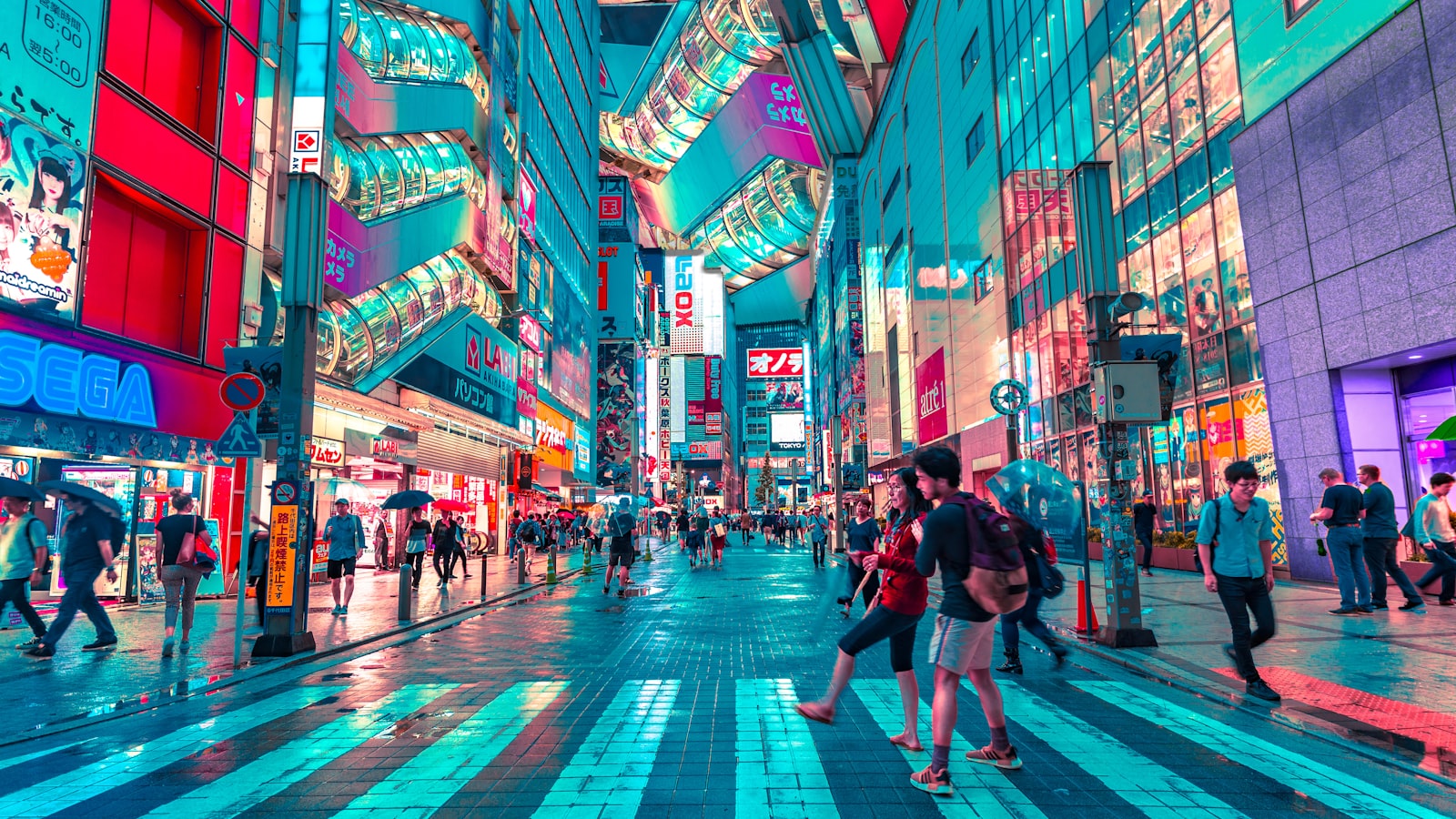
First-time visitors to Tokyo end up in a loop of Shibuya → Harajuku → Shinjuku → Asakusa. All four are worth seeing once. None of them are where a Tokyo local would take you on a Sunday.
Here are four neighborhoods that exist in the same city, feel like different countries, and give you a real sense of how Tokyoites actually live — without the crowds or the ¥1,500 coffee.
1. Yanaka — “Old Tokyo” that survived the fires
The Kanto earthquake of 1923 and the Allied fire-bombings of 1945 flattened most of Tokyo. Yanaka didn't burn. What you see today is genuinely a 19th-century neighborhood — low wooden houses, three-block streets, cats asleep on every roof.
What to do: walk Yanaka Ginza (a 170-metre shopping street) at 17:00 for the “Yuyake Dandan” stairs that glow orange at sunset. Stop at SCAI The Bathhouse — a contemporary art gallery inside a 200-year-old communal bathhouse. Eat menchi-katsu from Suzuki Shop for ¥250.
How to get there: JR Yamanote to Nippori station, walk 8 minutes west. 20 minutes from Tokyo station.
2. Shimokitazawa — Where Tokyo's under-30s actually hang out
Train-line town 5 min west of Shibuya. 500+ vintage-clothing stores, 80+ live-music venues, the highest density of independent coffee shops in Tokyo. Saturday afternoon you'll see more university students than tourists.
What to do: Mikkeller brewpub for a flight, vintage shopping at Chicago (three locations, start at the east branch), Bookends Coffee for a flat white. At 20:00 the basement jazz club Never Never Land hosts touring trios — ¥1,500 cover including a drink.
How to get there: Keio Inokashira Line from Shibuya, 5 minutes.
3. Kagurazaka — The quieter Ginza
Edo-era geisha district with a strong French expat community, which sounds weird and is. The result: backstreets of tiny Japanese kaiseki restaurants next door to boulangeries that opened in the 1980s. Uber Eats hasn't quite found it yet.
What to do: walk the cobbled main street after 19:00 when the paper lanterns switch on. Dinner at Tsukiji Tamazushi Kagurazaka — 100-year-old sushi house with 8 counter seats. ¥8,000 omakase. Reserve 3 days ahead.
How to get there: Tozai metro to Kagurazaka, exit 1.
4. Kiyosumi-Shirakawa — Where the good coffee actually is
Industrial warehouse district on the east side of the Sumida river. Ten years ago nobody lived here. Now it's Tokyo's third-wave coffee capital — Blue Bottle's flagship, Allpress's Japan HQ, a dozen independent micro-roasters within a 600 m radius.
What to do: cafe crawl. Start at Blue Bottle (the first-ever Japan location, in a former glass-stamping warehouse), walk south to iki ROASTER, then north along the river to the Museum of Contemporary Art Tokyo. Stop at Fukumori for a matcha cake the size of your face.
How to get there: Hanzomon or Toei Oedo line to Kiyosumi-Shirakawa, exit A3.
How to string them together
You can walk each neighborhood in 2-3 hours. Pairings that work:
- Saturday morning → afternoon: Yanaka (quiet) → Kagurazaka (dinner)
- Sunday: Kiyosumi-Shirakawa coffee crawl → Shimokitazawa at night for the music
- Rainy day: Kiyosumi-Shirakawa (museum + cafes are all covered)
With or without a guide
Yanaka and Shimokitazawa are fine solo — signage is clear, English menus exist, the vibe is self-explanatory. Kagurazaka rewards a guide because most of the best restaurants don't do English reservations. Kiyosumi-Shirakawa rewards a guide because the cafe scene is deep and moves fast (new spots every month).
Typical day-rate for a Tokyo guide who specialises in “non-tourist Tokyo” is $220-300. They'll pair 2-3 of these neighborhoods with a single itinerary. Browse Tokyo guides →
Ready when you are
Plan your trip with a verified local guide
Filter by city, language, and experience. Chat directly. Pay once the guide accepts.
Browse guidesKeep reading
How to visit Fushimi Inari at sunrise (and actually enjoy it)
Kyoto's most photographed shrine is a different place before 07:00. Exact timings, trail route, what to pack, and how to not miss the last bit most tourists skip.
Sakura 2026: peak bloom dates + 3 cities without the crowds
Our pick of peak cherry-blossom windows for the top 8 Japanese cities in 2026, plus three underrated spots where you will actually see the flowers instead of the back of someone's phone.
The JNTO license: why it matters when you hire a Japan tour guide
Japan has a specific legal credential for paid tour guides. Most online platforms don't check it. Here's what it is, why it protects you, and how to verify any guide yourself.