
Okinawa month-by-month: when to go, what to skip, and when to absolutely not
Okinawa has 12 different climates packed into one calendar year. Here's which month matches which kind of trip — from beach lounging to diving to typhoon avoidance.
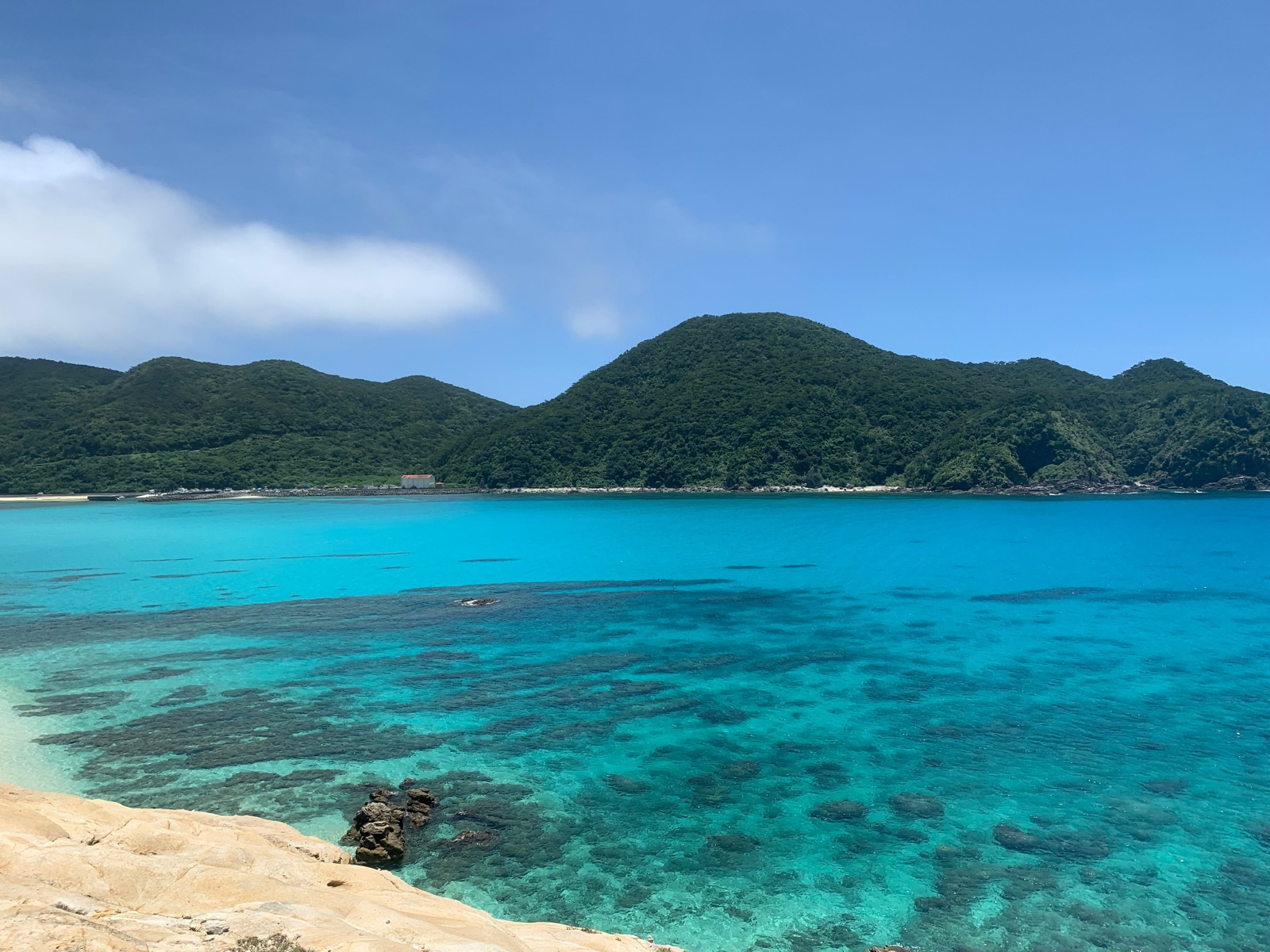
Okinawa is Japan's tropical south — 160 islands, 3-hour flight from Tokyo, water temperatures that stay swimmable from May through November. But the actual month you visit matters a lot more than people think. Here's the honest breakdown.
January — the dry-season sleeper
Air: 15-18°C. Water: 22°C (cold). Pros: zero rain, clear skies, half-price hotels, whale-watching peak (humpbacks arrive from Alaska). Cons: you're not swimming.
Go if: you want Okinawa without the beach — culture, food, whale-watching tours out of Naha.
February — cherry blossoms (seriously)
Okinawa blooms a full 6 weeks before the rest of Japan. Mt. Yaedake peaks mid-February. Combine with the Nakijin Castle festival for night-lit sakura in tropical weather. Go.
March — shoulder magic
Air: 20°C. Water: 23°C (snorkelling OK with shortie wetsuit). Domestic Golden Week hasn't hit yet. Our favourite month to visit. Naha Marathon is the first Sunday of December but the winter tour-group season peaks in March — book ahead.
April — beaches open + Golden Week risk
Swimming season officially opens April 1 at most resorts. Skip the last week of April — Japan's Golden Week (Apr 29 - May 5) doubles domestic tourism and halves your chances of getting a reef-diving slot.
May — perfect weather, light crowds
Air: 25°C. Water: 25°C. First-half of May (after Golden Week ends) is the single best window for diving — peak visibility, manta-ray season at Ishigaki, humpback whales still present. Plan for this if you can.
June — rainy season (tsuyu)
Don't confuse Okinawa's tsuyu with mainland Japan's. Okinawa's rainy season ends around June 23; mainland's starts around June 1. If you can travel late-June only, Okinawa is dry while Tokyo is wet — counter-intuitive but reliable.
July — peak heat, peak prices
32°C, 80% humidity, peak domestic family travel. Prices hit their summer highs in mid-July. Diving is still excellent but crowded.
August — typhoon lottery
Caveat emptor. August averages 2-3 typhoons making landfall or passing near. Flights cancel, ferries stop, 5-day trips turn into 3-day trips in your hotel lobby. Go if you're flexible and insured. Don't if you're locked into a 4-day itinerary.
September — typhoon wind-down + fewer kids
Japanese schools resume early September. Domestic tourism halves overnight. Typhoons thin out after the 15th. Prices drop 30%. Water is still 29°C. Underrated month.
October — second-best window
Air: 27°C. Water: 27°C. No tsuyu, rare typhoons (mostly done), crowds at minimums. Pair with a short Naha-food trip. Consistently our top ranking.
November — swim season ends, culture season opens
Water drops to 24°C around mid-month — still fine with a shortie. Eisa (traditional Okinawan dance) festival season. Hotel prices are low.
December — cool + festive
Air: 18°C. No rain. Christmas illuminations across Naha. Whale season starts Dec 20-ish. Not a swimming month. Go if you're combining with a mainland trip and want a warm break.
The summary in 10 words
- Best overall: May or October.
- Avoid: last week of April, all of August.
- Underrated: February (sakura) and September (empty).
Where a guide adds value
Okinawa is genuinely hard to navigate solo if you don't drive — public transport outside Naha is sparse. A local guide with a car unlocks the interior (Yanbaru rainforest, Kouri Island bridges, the northern villages) and arranges private dive/snorkel trips with operators who don't list on English sites.
Ready when you are
Plan your trip with a verified local guide
Filter by city, language, and experience. Chat directly. Pay once the guide accepts.
Browse guidesKeep reading
Sakura 2026: peak bloom dates + 3 cities without the crowds
Our pick of peak cherry-blossom windows for the top 8 Japanese cities in 2026, plus three underrated spots where you will actually see the flowers instead of the back of someone's phone.
The JNTO license: why it matters when you hire a Japan tour guide
Japan has a specific legal credential for paid tour guides. Most online platforms don't check it. Here's what it is, why it protects you, and how to verify any guide yourself.
Tokyo's four best neighborhoods nobody tells you to visit
Shibuya and Shinjuku are the Times Square of Tokyo. These four neighborhoods are where Tokyoites actually spend their weekends — and you can walk every one.